How to check whether a niche is worth entering
The question is not "is there competition" — competition is evidence of demand. The question is whether a channel with no audience can get watched here. That is checkable in twenty minutes.
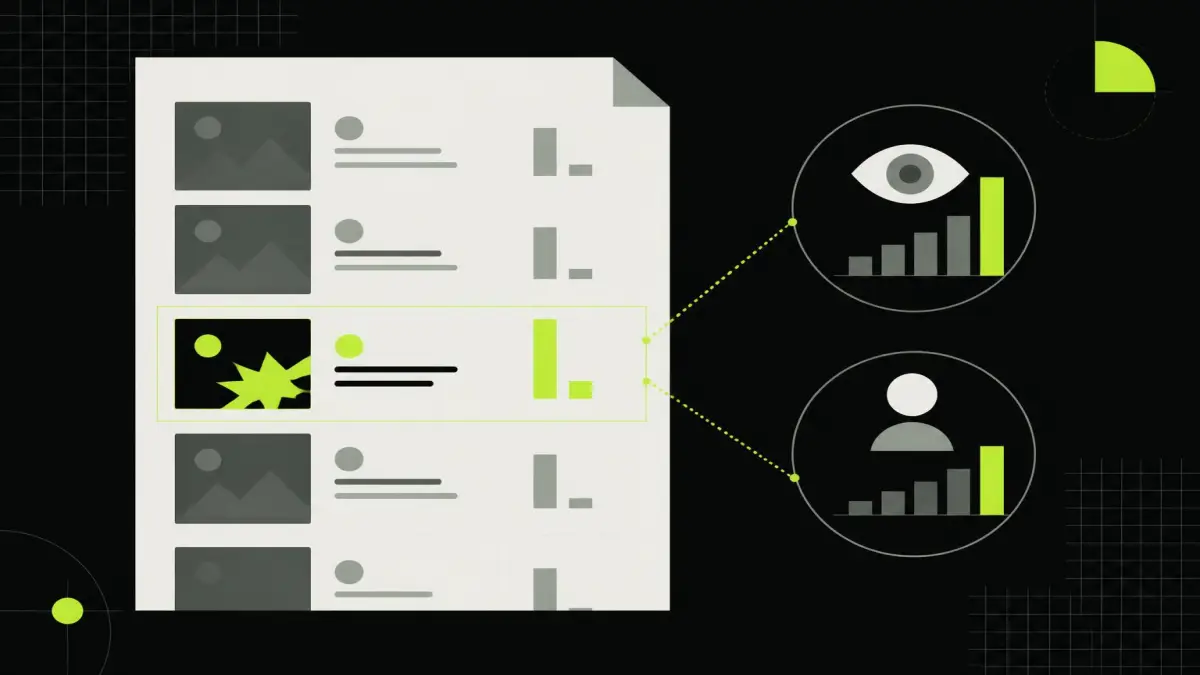
The signal you are looking for
One thing tells you most of what you need: do small channels get large view counts in this topic?
If a channel with 3,000 subscribers has a video with 200,000 views, the topic is being recommended on merit. Videos are winning because they are good, not because of who posted them. That is an opening.
If every high-performing video belongs to a channel with a million subscribers, the topic is being served by brand. Your equally good video will not be surfaced the same way, because the system has no reason yet to trust it.
The twenty-minute check
- Search five specific phrases someone in this niche would actually type — not the field name, the question.
- Filter to the last twelve months. Old results tell you about a topic's past, not its present.
- For the top ten results of each, note view count against subscriber count.
- Count how many come from channels under roughly 50,000 subscribers.
- Open the two best-performing small-channel videos and watch the first minute.
Step five is the one people skip and it is the most informative. You are looking for what the successful video in this niche actually does — the format, the pacing, what is on screen. That is your benchmark, and it is more useful than any metric.
Reading the result
Several small channels doing well
The good case. Demand exists and is not locked up. Enter.
Only big channels, high view counts
Demand exists but access does not. Do not enter at this level of breadth — go narrower until you find a sub-topic the big channels only touch occasionally.
Few videos, low view counts
Usually not an untapped goldmine. It is much more often a topic people are not looking for. Treat an empty niche as a warning rather than an opportunity unless you have specific reason to think demand exists and is unserved.
Many videos, all with low view counts
The genuinely saturated case: lots of supply, little interest per unit. This is where "make it but better" tends not to work, because the ceiling is low regardless of quality.
What the tools do and do not tell you
Keyword tools give search volume, which is one input. Two limits worth knowing.
First, a large share of views on many channels come from suggested and browse surfaces rather than search — so search volume can badly understate a topic's real audience. Search versus browse traffic covers the difference.
Second, volume says nothing about whether the demand is *reachable* by you. That is exactly what the small-channel check above measures, and no volume number substitutes for it.
The check most people skip
After all of the above, ask what your video would show. If the honest answer is stock footage of a generic scene, the niche fails the visual test in choosing a niche no matter how good the demand looks.
Common questions
How many subscribers counts as a "small channel" for this test?
It is relative to the niche rather than a fixed number. In a huge topic, 50,000 subscribers is small. In a specialised one, 3,000 is normal. What matters is whether the channels winning are notably smaller than the category leaders.
What if the niche looks good but I am not interested in it?
Do not enter it. Sustainability is a hard constraint, not a preference — a niche you are bored by produces flat writing, and on a faceless channel the writing is the entire product.

Choosing a niche for a faceless channel
How to pick something to be about that has demand, that you can still stand in six months, and that you can actually get pictures for.

Faceless niches that look good and are not
Five categories that get recommended constantly in faceless-channel advice, and the specific reason each one is harder than it appears.
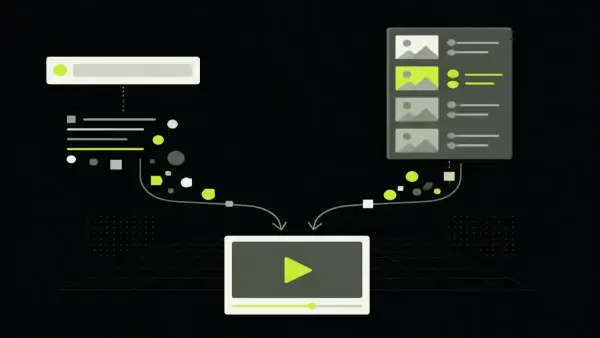
Search traffic and suggested traffic want different videos
The two main ways people find a video reward almost opposite things. Knowing which one you are making for changes the title, the topic and the opening.