Running a channel without being on camera
Most advice about faceless channels is about tools. Almost none of it is about the part that decides whether anyone watches: what the video is about, and how it is written. These guides cover choosing a niche you can still stand in six months, finding topics with a real question in them, and writing a script that holds someone to the end. They are opinionated, and they say when something is a bad idea.
Start here
The entry point for each of the four areas. Each one links onward to the rest of its category.
Channel strategy
5 guidesWhat a faceless channel actually is, what to publish, and how to read your own numbers before you have enough of them to read.
Faceless YouTube channels: what actually works, and what does not
What "faceless" really means, which formats survive without a presenter, and the three things that decide whether a channel like this grows.
Which faceless video formats hold attention (and which do not)
Seven formats that work without a presenter, what each one demands of the script, and the one that almost always fails.
What your first 20 videos are actually for
They are not for growth. They are for finding out what your channel is — and there is a specific way to make them count.
How often should you post? The honest answer
Consistency matters, but not for the reason most advice claims. What frequency actually buys you, and the cadence trap that kills channels.
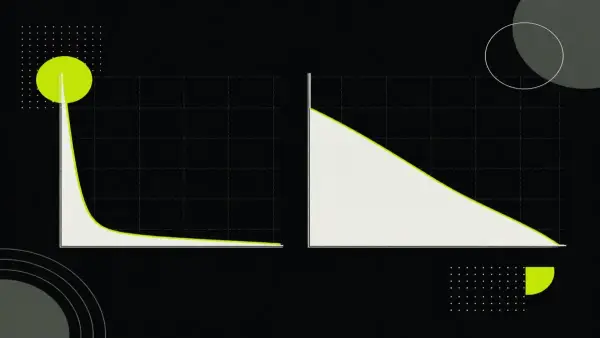
Is your channel failing, or just early? How to tell
A diagnostic. Which number to look at first, what each failure mode actually looks like, and the one case where the honest answer is that nothing is wrong yet.
Niches
5 guidesChoosing something to be about — and being honest about demand, competition and what each niche pays.
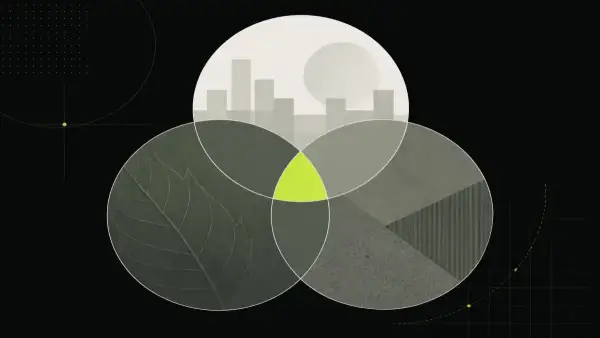
Choosing a niche for a faceless channel
How to pick something to be about that has demand, that you can still stand in six months, and that you can actually get pictures for.
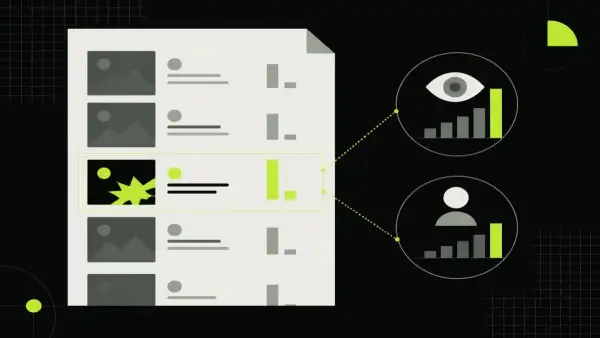
How to check whether a niche is worth entering
A concrete check you can run in twenty minutes with search results alone — no keyword tool required.
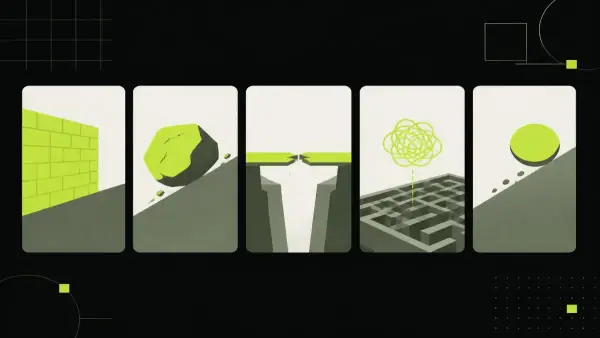
Faceless niches that look good and are not
Five categories that get recommended constantly in faceless-channel advice, and the specific reason each one is harder than it appears.
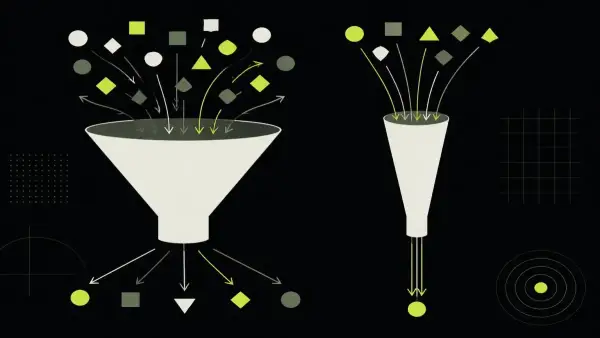
Why a narrow niche beats a broad one
Narrowing feels like giving up audience. It is the opposite — and there are three concrete mechanisms behind why.
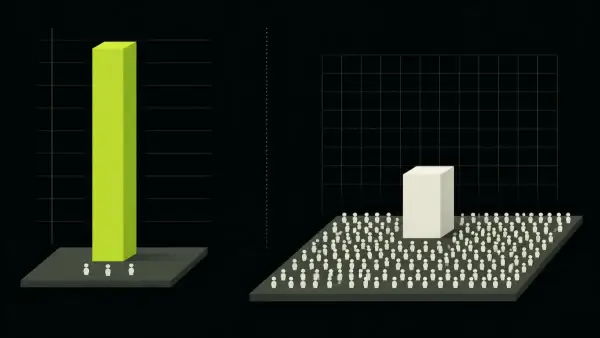
What RPM actually means for niche choice
Ad rates vary a lot by subject. Here is why that matters much less than it looks when you are choosing what to make.
Topics and packaging
7 guidesFinding videos worth making, then giving them a title and thumbnail that earn the click they deserve.
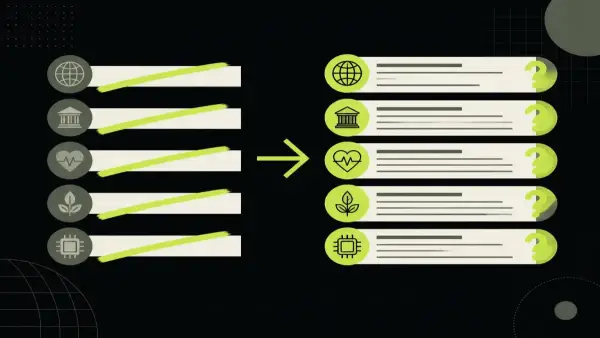
Finding topics worth making a video about
The difference between a subject and a topic, where good ones actually come from, and the test that kills most of your ideas before you waste a week on them.
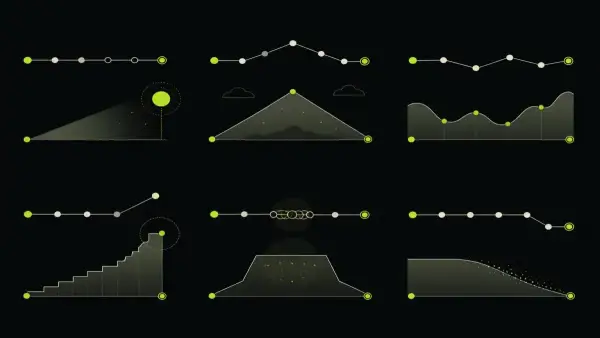
Six idea shapes that reliably make good videos
Not a list of topics — a list of structures. Each one produces a video with built-in tension, and you can apply all six to any niche.
Studying competitors without copying them
What to actually look for in other channels — and why copying the thing that made their video work usually fails.
Title and thumbnail are one unit, not two
The most common packaging mistake is having both say the same thing. Here is what each should carry, and how to test the pair.
Writing an opening that survives the first thirty seconds
Where most retention is lost, what the opening actually has to do, and four openings that work with the specific reason each one does.
Evergreen or trending? What each actually costs
The two produce completely different channels. Which one suits a faceless channel, and the mixed strategy that mostly does not work.
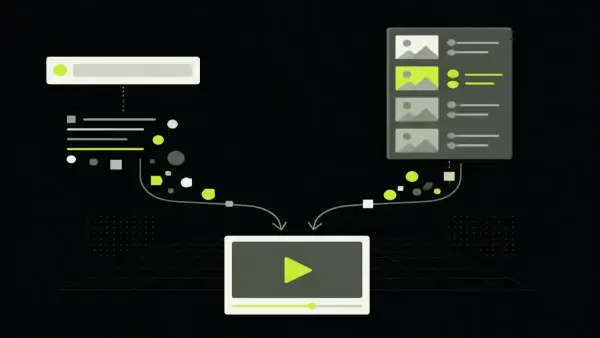
Search traffic and suggested traffic want different videos
The two main ways people find a video reward almost opposite things. Knowing which one you are making for changes the title, the topic and the opening.
Scripting
8 guidesThe craft part. Structure, tension, specificity, and writing words that are going to be spoken rather than read.
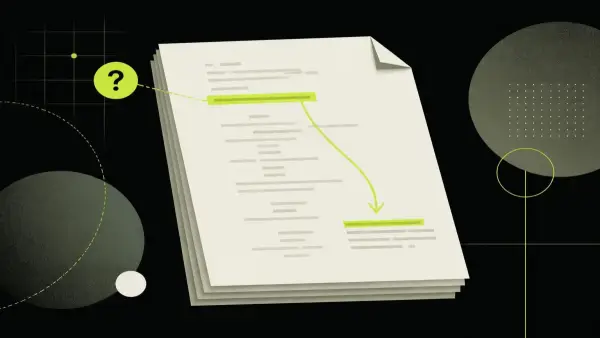
How to write a YouTube script people actually finish
Most scripts fail the same way: they are correct, organised, and about their subject rather than inside it. Here is what to do instead.
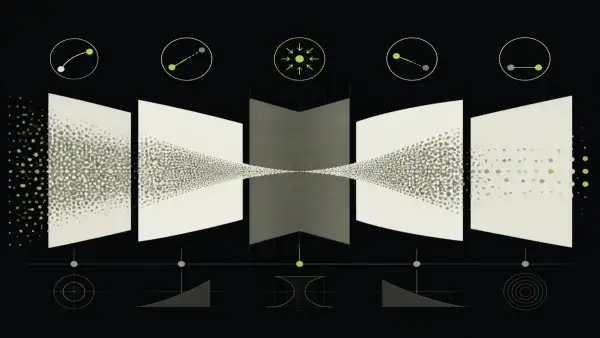
A structure for scripts that hold to the end
Five parts, what each one is for, and the specific place in the middle where most scripts quietly die.
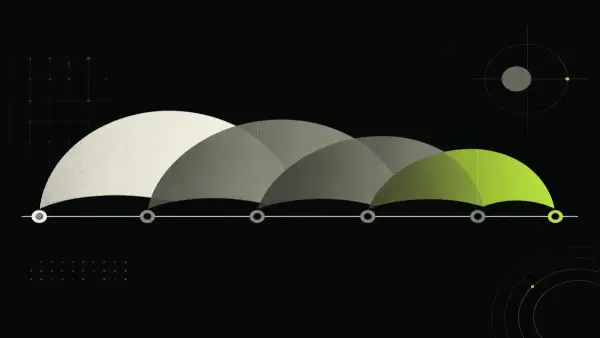
Open loops: the mechanic that keeps people watching
Tension is not drama. It is an unanswered question held open deliberately — and there is a technique for doing it without feeling like a tease.
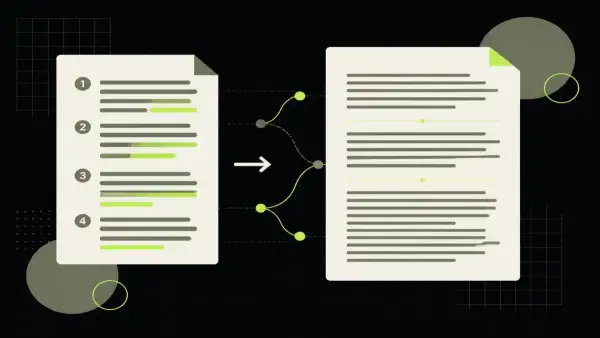
Writing for the ear, not the page
A script is going to be spoken. That changes the punctuation, the numbers, the sentence length and the vocabulary — and most drafts ignore all four.
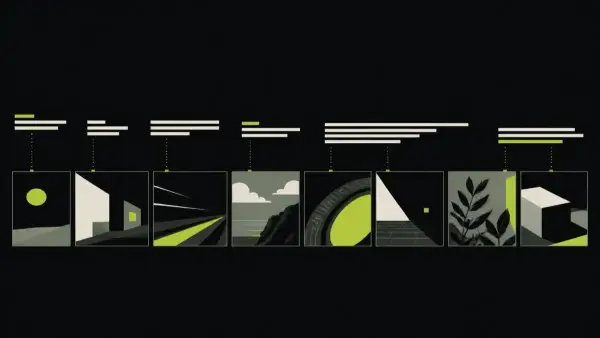
Sentence length is shot length
Why a well-written script can still feel monotonous on screen, and how to fix pacing in the writing rather than the edit.
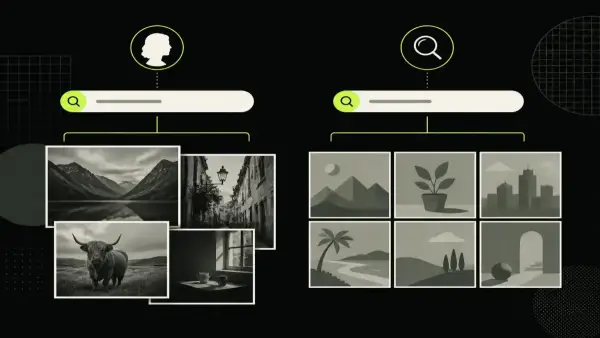
A vaguer script gives you worse pictures
On a faceless channel, generic writing has a second cost most people never connect to the script: it determines what you are able to put on screen.
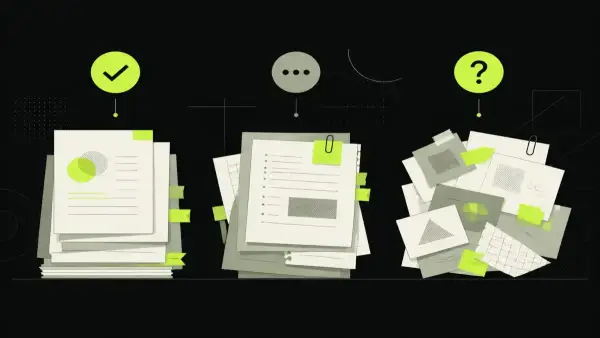
What to do with facts you are not sure about
Rating what you know before you write it — and why openly stated uncertainty reads as more authoritative than false precision, not less.
How long should a script be?
Converting words to runtime, why the target length is the wrong thing to aim at, and what padding actually costs.
Tools that go with these
Free, browser-based, and nothing you upload leaves your machine — useful once a script becomes a file.