Studying competitors without copying them
Watching what worked for someone else is useful. Copying it is not, and the reason why is the most useful thing competitor research teaches you.
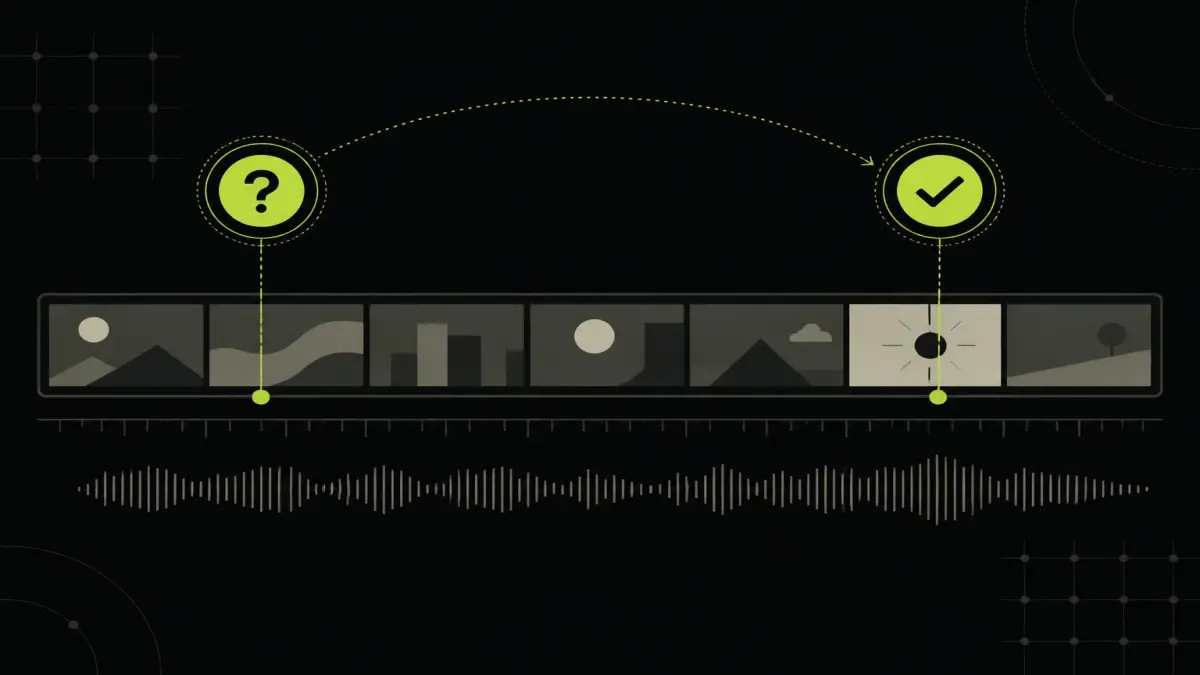
Why copying fails
A video that did well did well for a reason, and the reason is almost never the visible thing.
People copy the thumbnail style, the intro cadence, the music, the sentence rhythm. Those are the surface. The video worked because it answered a question people had with material nobody else had assembled — and that is not visible from the outside, which is why it does not get copied.
The result is a video that looks like a successful one and performs like a generic one.
What to actually extract
The question, and where it gets answered
Watch the first thirty seconds and write down the question the video posed. Then find where it answered it. That gap — its length and what fills it — is the structural decision that held the audience, and it is transferable to any topic.
What is on screen during the boring parts
Anyone can make the exciting sixty seconds look good. Skip to a mid-video explanatory stretch and see what the visuals do. That is where faceless videos are won or lost, and it is the part nobody studies.
The specifics they had
Note the names, dates and figures. Then ask where they came from. Frequently the answer is one good source the creator found and everyone else missed — and identifying the *kind* of source is more valuable than the video itself.
What the comments complain about
The most underused input available. Comments telling a creator what they got wrong, or what they wish had been covered, are an unserved-demand list written by the exact audience you want.
Finding the gap
Three gaps are reliably findable in any well-covered topic.
- The follow-up question. Every video that answers something raises the next thing. That one is usually unmade.
- The specific instance. The general explainer exists; the particular case that illustrates it often does not.
- The correction. Where the popular treatment is oversimplified or repeats something untrue, a careful version has an audience — and a durable one, because it stays right.
The correction gap is the strongest and the riskiest: it only works if you are certain, and being confidently wrong while correcting someone is the worst position available.
What to ignore
- Subscriber count. It reflects history, not whether this video is good.
- Production polish. Motion graphics do not cause views. Plenty of top-performing videos in any niche are visually plain.
- Upload frequency. Their cadence tells you about their resources, not about what you should do.
- Anything from more than two years ago. What surfaced then is not what surfaces now.
Do this once per topic, not continuously
Twenty minutes before writing, to establish what the standard treatment is so you can avoid making it. That is the whole job.
Watching competitors continuously is a common failure mode: it converges your channel toward theirs, which is the opposite of what differentiates a small channel.
Finding topics worth making a video about
The difference between a subject and a topic, where good ones actually come from, and the test that kills most of your ideas before you waste a week on them.
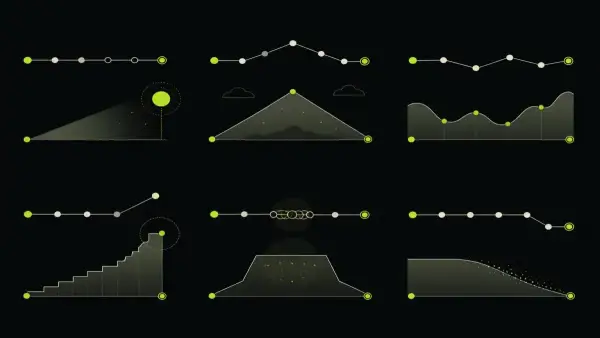
Six idea shapes that reliably make good videos
Not a list of topics — a list of structures. Each one produces a video with built-in tension, and you can apply all six to any niche.
Title and thumbnail are one unit, not two
The most common packaging mistake is having both say the same thing. Here is what each should carry, and how to test the pair.